How Drum Pallets Support the Travel Industry Behind the Scenes
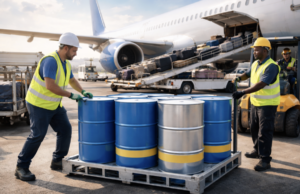
The travel industry looks polished on the surface. Travelers see the aircraft cabin, the hotel lobby, the cruise deck, the shuttle line, and the check-in counter. What they do not see is the supply chain that keeps those spaces clean, compliant, stocked, and ready for constant turnover. That hidden layer matters more than ever. UN Tourism reported international tourist arrivals rose in 2025 and projected further growth into 2026, while the U.S. Travel Association said the U.S. travel sector entered 2026 on relatively steady footing, with travel spending up year over year even as some segments faced pressure. In a business built on volume, speed, cleanliness, and reliability, even humble material-handling tools have an outsized role.
Keeping Travel Moving Means Supporting What Travelers Never See
The more travel demand rises, the more back-of-house systems are tested. Airlines for America projected 171 million passengers during the 2026 spring travel period, and the TSA checkpoint travel numbers page shows just how closely passenger flow is tracked in real time. That kind of pressure does not only affect ticketing and boarding. It affects janitorial programs, facility maintenance, food service operations, shipping schedules, storage practices, and how safely bulk materials are moved across airports, hotels, terminals, and tourism-support environments. When travel gets busy, the industry needs more than customer-facing efficiency. It needs operational discipline in every back room, service corridor, receiving dock, and maintenance zone.
Why Drum Pallets Matter in Hidden Travel-Sector Logistics
That is where Drum Pallets come in. In practical terms, they support the organized handling of heavy drum-based materials that can be part of cleaning, maintenance, sanitation, industrial supply, and facility support operations. Travel environments are not powered by appearances alone. They depend on bulk supplies arriving on time, being stored correctly, and being moved through the property without turning service areas into a mess of risk and delay. A reliable pallet system helps create order where there could otherwise be clutter, wasted movement, and preventable handling problems. In an industry where timing affects everything from room readiness to gate-area presentation, that kind of order is not minor. It is foundational.
Airports and Aviation Operations Depend on Safe, Controlled Handling
Air travel is a perfect example of why behind-the-scenes logistics matter. The Federal Aviation Administration emphasizes that cargo safety starts well before the airport and that dangerous goods and poorly managed shipments can create serious risk. At the same time, IATA reported strong air-cargo activity tied to trade growth and shifting freight patterns, reinforcing that aviation is not only moving passengers but also supporting a vast logistics network around them. Drum pallets fit into that larger operational picture because they help facilities stage and move heavy containers in a more controlled way in the places travelers rarely notice: maintenance areas, support buildings, warehouse spaces, and ground-side service zones. When materials are handled with consistency, the rest of the airport operation has a better chance of staying clean, efficient, and interruption-free.
Hotels, Resorts, and Hospitality Teams Run on Supply Discipline
Hospitality is often discussed as a guest-experience business, but it is also a supply business. Rooms have to be cleaned, laundry systems have to function, maintenance issues have to be addressed quickly, and public spaces have to remain presentable day after day. The American Hotel & Lodging Association reported in March 2026 that hotel owners were still dealing with rising costs for goods, labor, insurance, and energy even while expecting travel demand to remain steady. That combination makes operational waste even more expensive. The more disciplined a hotel or resort is about storing and moving bulk supplies, the better it can protect margins while still delivering a high standard of service. Even a basic Wikipedia overview of pallets reflects the larger principle that pallets exist to stabilize goods for handling, storage, and transport. In hospitality, that stability supports cleaner service corridors, more predictable restocking, and less chaos when occupancy is high.
Cruise and Port Operations Need Bulk Readiness at Scale
Cruise travel makes the value of hidden logistics even easier to understand because a ship is essentially a moving hospitality ecosystem. Food, cleaning programs, maintenance support, guest amenities, engineering supplies, and port-side provisioning all rely on disciplined coordination. The Cruise Lines International Association said the industry was forecast to welcome 37.7 million ocean-going passengers in 2025 across 310 vessels, underscoring the scale at which cruise operators are working. Growth at that level makes back-end organization non-negotiable. Every inefficiency multiplies when thousands of guests are involved and turnaround windows are tight. Drum pallets help support the kind of orderly receiving, staging, and facility-side movement that port and cruise environments need, especially where heavy containers must be managed without slowing everything around them. In a sector built on timing and presentation, neat and dependable handling practices support both safety and service continuity.
Seamless Travel Depends on Unseen Operational Readiness
Travel brands talk a great deal about seamless experiences, and for good reason. UN Tourism’s digital transformation guidance points to a future where travel keeps becoming more seamless and frictionless for the customer. But that promise cannot be kept through apps and booking engines alone. A smoother traveler experience also depends on physical readiness in the background. Clean floors, stocked supplies, organized receiving areas, controlled storage, and faster internal handling all contribute to the polished result the guest eventually sees. Drum pallets support that physical readiness by helping operations teams manage bulky materials in a way that is more structured and easier to work around. The traveler may never know why a hotel hallway felt cleaner, why a terminal support area stayed out of sight, or why a ship turnaround happened without visible disorder, but hidden logistics often explain those outcomes.
Busy Seasons Expose Weak Systems and Reward Strong Ones
Peak travel periods reveal the difference between systems that look fine on paper and systems that actually work under pressure. When airlines are preparing for record seasonal passenger flow, when hotels are balancing labor shortages and higher costs, and when tourism volumes stay elevated, the smallest inefficiencies start creating larger consequences. A cluttered receiving area can slow internal teams. Poorly staged materials can create handling delays. Disorganized storage can lead to avoidable spill risk, wasted time, and visual disorder in service spaces. The travel industry does not have much patience for that because service-level expectations stay high even when demand surges. Back-of-house tools like drum pallets are valuable because they support repeatable habits: cleaner placement, more organized movement, and a more controlled environment for teams that are already moving fast. That is how ordinary equipment becomes part of extraordinary service delivery.
The Real Benefit Is Brand Protection Through Better Operations
One of the most overlooked truths in travel is that operational sloppiness eventually becomes a brand problem. Guests may never see the loading zone, but they will notice when a room is delayed, when a public restroom is not properly serviced, when a facility looks tired, or when an operation feels strained. Travel businesses win loyalty when the visible experience feels smooth, calm, and well-managed. That feeling is often created by unseen systems working exactly as they should. Drum pallets help support those systems by giving operations teams a better way to manage heavy, drum-based materials without turning back-of-house areas into bottlenecks. In industries like aviation, hospitality, ports, and tourism support services, that kind of control helps teams protect not just workflow, but reputation.
Conclusion
The travel industry runs on far more than bookings and departures. It runs on support systems that keep physical spaces safe, stocked, organized, and ready for constant movement. Current travel data from organizations such as UN Tourism, U.S. Travel, Airlines for America, AHLA, CLIA, IATA, TSA, and the FAA all point to the same larger reality: travel remains a high-volume, high-pressure environment where operational consistency matters. Drum pallets may not be glamorous, but they help support the discipline that modern travel businesses need behind the scenes. When bulk materials are handled with more order and control, airports function better, hotels stay more efficient, cruise operations remain better prepared, and travelers enjoy a smoother experience without ever realizing why.