Building Smarter Hotels: Why BIM Consulting Is No Longer Optional 🏨
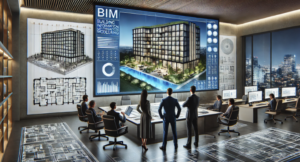
Hotel projects live in a world where timelines are tight, budgets are watched like a hawk, and guest expectations keep climbing. Every square foot has to earn its keep. Every room has to feel intentional. Every mechanical decision has to work quietly, reliably, and efficiently, day after day. BIM Consulting exists because hotels are uniquely complex buildings with more moving parts than most owners realize until the job gets expensive.
Building Information Modeling, often shortened to BIM, is not a fancy 3D picture. It is a working system that organizes design, construction, and operational data into a coordinated model so teams can plan, detect conflicts, control cost, and protect the guest experience before problems hit the site. When BIM is guided by an experienced consultant, it becomes a practical tool for owners, developers, architects, contractors, and facility teams to stay aligned and move faster with fewer surprises.
Hotels Have More Coordination Risk Than Most Buildings
A hotel is not one system. It is a stack of systems that must operate together under constant use. Guest rooms repeat by the dozens or hundreds, but each room contains plumbing, electrical, HVAC, fire protection, low voltage, access control, AV, and sometimes smart room tech. Then add kitchens, laundry, pools, spas, meeting space, back-of-house circulation, elevators, loading, trash, and life safety requirements. Coordination mistakes do not just create rework. They create downtime, noise, room shutdowns, unhappy guests, and brand damage.
BIM Consulting reduces coordination risk by forcing design disciplines to resolve conflicts in the model before the field crews ever start. That includes ductwork versus structure, plumbing slopes versus beams, electrical clearances in tight risers, and equipment service access that gets forgotten when teams only look at flat drawings. A coordinated model makes it easier to keep guestrooms consistent, protect ceiling heights, and avoid last-minute compromises that degrade the final product.
Construction Cost Pressure Makes Mistakes More Expensive
Hotel development and construction costs are under constant pressure, and owners feel it from every direction. Materials pricing, labor availability, and schedule uncertainty all compound risk. In that environment, the cost of a coordination error is not limited to the fix itself. It spreads into delays, expedited shipping, overtime, change orders, and ripple effects that push opening dates.
Industry coverage has been clear that cost control is front and center for hotel construction, and BIM is part of the modern toolkit for addressing it. Hotel Management, Construction
BIM Consulting helps teams value-engineer with clarity by showing what changes actually affect space, systems, and constructability. Instead of guessing, teams can quantify impacts earlier, compare options, and reduce the hidden costs that show up late.
BIM Consulting Protects the Opening Date
Hotels do not just finish when construction ends. They finish when the building is commissioned, inspected, furnished, staffed, and ready to host paying guests. Delays are especially painful because hotel revenue is tied to opening day. Every lost week can mean lost bookings, lost group business, and missed seasonal demand.
BIM Consulting supports schedule protection by improving trade sequencing, prefabrication readiness, and field coordination. When models are used for coordination meetings and installation planning, crews spend less time stopping work to solve conflicts. It also helps owners and project leaders spot risk earlier, especially in repeatable guest room stacks where one mistake multiplies across floors.
Hotel pipeline and construction timelines have faced headwinds in recent years, which makes tighter execution even more valuable. Skift, Hotel Construction
Brand Standards and Consistency Are Easier to Enforce
Hotels are judged on consistency. A guest notices when room layouts vary, when outlets are in the wrong place, when lighting looks uneven, or when a shower detail changes from floor to floor. Brand standards also require precision in finishes, signage, accessibility, and guest experience details.
BIM Consulting supports standardization by creating repeatable, validated room types and assemblies. Once a guest room type is modeled correctly, it can be replicated with confidence. That reduces errors, improves procurement accuracy, and speeds up submittal reviews. It also helps teams coordinate millwork, headwalls, bathroom pods, and prefabricated corridor racks when the project delivery approach supports it.
Renovations and PIPs Become More Predictable
Hotels renovate more often than many building types because trends change, brands refresh, and assets must stay competitive. Property Improvement Plans can become disruptive if teams do not understand existing conditions. Missing information leads to demolition surprises, structural conflicts, and rework that can force rooms out of service.
BIM Consulting creates value in renovations by capturing existing conditions into a model and planning phasing around live operations. A well-built model helps teams plan shut-down zones, control noise and dust, and schedule work to reduce impact on guests. It also helps owners align renovation scope with long-term maintenance and operational needs, rather than making short-term finish changes that create future headaches.
Digital Twins and Sustainability Are Becoming Real Operational Tools
Hotels are increasingly looking beyond construction and into lifecycle performance. Energy use, maintenance workflows, and equipment reliability affect operating margins year after year. BIM is a foundation for digital twins and better building performance planning, especially when model data is carried into operations.
Coverage of digital twins in the hotel space has highlighted how simulation and building data can support sustainability and smarter operations. Green Lodging News
BIM Consulting helps teams structure model information so it can actually be used later, including asset tags, equipment schedules, warranty data, and maintainability notes. That turns a model into a living reference instead of a file that gets forgotten after handover.
Operations, Maintenance, and Training Benefit from Better Building Data
A hotel’s maintenance team lives in the building every day. When a fan coil fails, when a valve needs access, when a kitchen hood needs service, or when a fire system needs inspection, accurate building information saves time and avoids disruption.
Hospitality-focused tech coverage has explored how digital building representations can support operational challenges, including staffing pressure and training. Hospitality Technology
BIM Consulting makes that practical by setting up handover standards and aligning teams on what data matters. The result is fewer blind repairs, faster troubleshooting, and fewer guest-impacting incidents.
Owners Gain Clearer Decision-Making and Accountability
Hotels involve many stakeholders, and misalignment is expensive. Owners need clarity on what is being built, why it costs what it costs, and what trade-offs are being made. BIM Consulting supports owner decision-making by translating complexity into a coordinated, visual, data-backed plan.
Hotel development commentary continues to emphasize how capital, risk, and costs shape decisions in hospitality projects. Hospitality Net
A BIM consultant acts as an interpreter and coordinator, helping align design intent, construction reality, and operational priorities. That means fewer surprises, cleaner change control, and a stronger position when evaluating contractor claims or scope disputes.
BIM Consulting Helps Hotels Deliver a Better Guest Experience
At the end of the day, the guest experience is built into the bones of the building. Noise control, thermal comfort, lighting quality, wayfinding, elevator performance, and room functionality all start with coordinated design and execution. BIM Consulting contributes directly by reducing the chaos that creates shortcuts.
When systems are coordinated, ceilings can stay higher, mechanical noise can be reduced, and room layouts can be executed consistently. When renovations are phased well, guests experience less disruption. When operations have reliable building data, issues get resolved faster. The guest may never hear the phrase BIM, but they feel its impact. 🙂
Conclusion
Hotels are high-stakes buildings with thin margins for error. They blend repeated room types with dense infrastructure, fast schedules, brand standards, and the ongoing reality of operating an asset that must perform every day. BIM Consulting exists because the traditional approach of disconnected drawings and late coordination does not match the pressure hotel projects face.
With BIM Consulting, teams coordinate early, reduce rework, protect the opening date, enforce consistency, and set the building up for smarter operations over its full life. That is not a luxury. It is a practical strategy for building and running a better hotel, with fewer surprises and more control. 🧩